





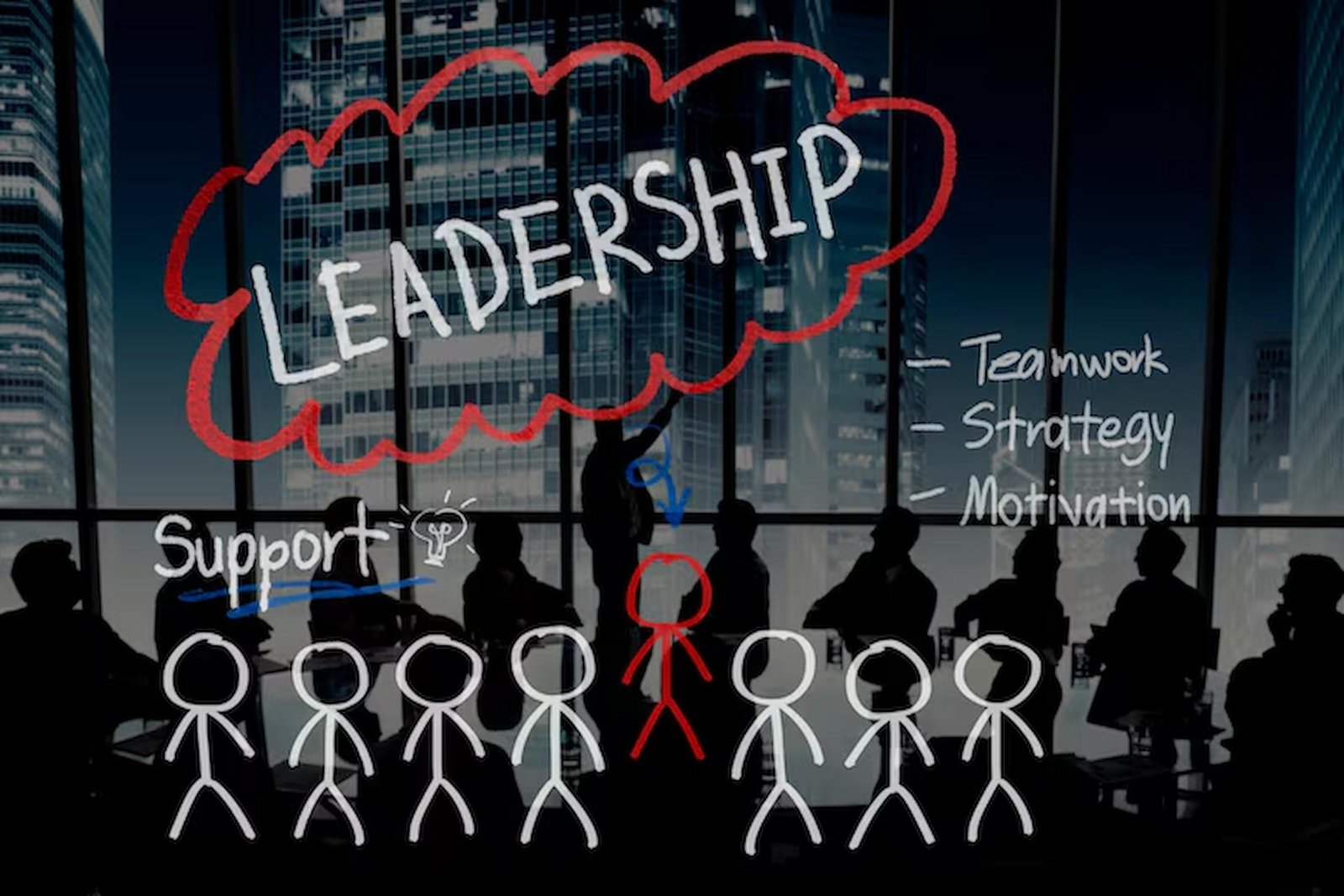
Leadership is not one-size-fits-all. The way you guide your team shapes performance, culture, and long-term success. This article explores key leadership styles and shows how to choose and adapt the right approach for different situations, helping you lead with clarity, confidence, and measurable impact.
Introduction
Leadership is not just about making decisions or giving direction. It is about understanding people, setting the tone, and creating an environment where individuals can do their best work. The style you choose has a direct impact on team motivation, productivity, and trust.
At the same time, no single approach works in every situation. Teams evolve, challenges shift, and expectations change. That is why effective leaders learn to recognise different leadership styles and adapt them based on context. This flexibility allows you to lead with purpose while meeting both team needs and organisational goals.
What Are Leadership Styles and Why They Matter
Leadership styles are the methods and behaviours leaders use to guide, support, and influence their teams. They shape how decisions are made, how communication flows, and how problems are solved.
The right style can:
- Improve team engagement and morale
- Build stronger relationships and trust
- Increase productivity and accountability
- Support long-term growth and performance
On the other hand, using the wrong style in the wrong situation can create confusion, reduce motivation, and slow progress.
Key Leadership Styles Explained
Understanding the most common leadership styles helps you recognise your own approach and expand your leadership toolkit.
1. Transformational Leadership
This style focuses on inspiring and motivating people to achieve more than they thought possible. Leaders set a clear vision and encourage innovation and growth.
Best used when:
- Driving change or transformation
- Building a strong, purpose-driven culture
- Encouraging creativity and new ideas
Strengths:
Creates high engagement, builds trust, and drives innovation
Limitations:
May lack focus on short-term execution if not balanced
2. Transactional Leadership
Transactional leadership is structured and results-driven. It focuses on clear expectations, performance targets, and rewards or consequences.
Best used when:
- Managing routine tasks
- Working in structured environments
- Meeting strict deadlines or targets
Strengths:
Provides clarity, consistency, and measurable outcomes
Limitations:
Can limit creativity and reduce intrinsic motivation
3. Democratic Leadership
Also known as participative leadership, this style involves team members in decision-making. Leaders value input and encourage collaboration.
Best used when:
- Seeking diverse ideas and perspectives
- Building team ownership and engagement
- Solving complex problems
Strengths:
Boosts morale, encourages collaboration, improves decision quality
Limitations:
Decision-making can be slower in time-sensitive situations
4. Situational Leadership
Situational leadership is flexible and adaptive. Leaders adjust their approach based on the team’s experience, skills, and the task at hand.
Best used when:
- Managing diverse teams
- Handling changing priorities
- Developing team members over time
Strengths:
Highly adaptable, supports individual growth, improves team alignment
Limitations:
Requires strong awareness and judgement to apply effectively
How Leadership Styles Affect Team Performance
Leadership style directly influences how a team thinks, behaves, and performs.
For example:
- A transformational leader can energise a disengaged team
- A transactional leader can bring order to chaotic processes
- A democratic leader can strengthen collaboration and trust
- A situational leader can balance performance and development
The key is not choosing one style, but knowing when and how to use each one.
How to Identify Your Leadership Style
Most leaders naturally lean toward one or two styles. Identifying yours is the first step toward improvement.
Ask yourself:
- How do I make decisions?
- How much input do I seek from my team?
- Do I focus more on results or relationships?
- How do I respond to challenges or change?
You can also gather feedback from colleagues or team members to gain a clearer picture of how your leadership is perceived.
Adapting Your Style to Fit Your Team
Strong leadership comes from flexibility, not rigidity. Different teams and situations require different approaches.
Consider these factors:
- Team experience: New teams may need more structure, while experienced teams benefit from autonomy
- Task complexity: Complex problems often require collaboration and input
- Time pressure: Tight deadlines may call for a more directive approach
- Organisational goals: Align your style with broader business priorities
The ability to shift your style without losing consistency is what sets effective leaders apart.
Practical Ways to Develop a Flexible Leadership Approach
Improving your leadership style does not require a complete overhaul. Small, consistent adjustments can make a meaningful difference.
Start with these actions:
- Observe how your team responds to different approaches
- Practice active listening during discussions
- Be clear about expectations and goals
- Encourage feedback and act on it
- Reflect regularly on what is working and what is not
Over time, these habits help you build a more balanced and adaptable leadership style.
Common Mistakes to Avoid
Even experienced leaders can fall into patterns that limit effectiveness.
Avoid:
- Relying too heavily on one leadership style
- Ignoring team feedback or engagement levels
- Over-controlling or micromanaging
- Failing to adjust during change or uncertainty
Recognising these patterns early helps you stay responsive and effective.
Common Queries
What are the main types of leadership styles?
The main leadership styles include transformational, transactional, democratic, and situational leadership. Each style focuses on a different approach to managing people and tasks. Transformational inspires change, transactional focuses on structure and results, democratic encourages participation, and situational adapts based on context. Effective leaders often use a mix rather than relying on just one approach.
How do I know which leadership style is best for me?
The best leadership style depends on your personality, team needs, and work environment. Start by assessing how you communicate, make decisions, and handle challenges. Feedback from your team can also provide valuable insight. Over time, developing flexibility and awareness helps you apply the right style in different situations.
Can a leader use more than one leadership style?
Yes, strong leaders often use multiple leadership styles depending on the situation. For example, you might take a democratic approach during planning and a more transactional approach when meeting deadlines. This adaptability helps maintain balance between performance, team engagement, and long-term development.
Why is situational leadership considered important?
Situational leadership is important because it allows leaders to adjust their approach based on team skills, experience, and task complexity. It ensures that individuals receive the right level of support and direction. This flexibility improves performance, builds confidence, and helps teams respond effectively to change.
How do leadership styles impact team performance?
Leadership styles directly affect motivation, communication, and productivity. A supportive and well-matched style can boost engagement and trust, while a mismatched approach can create confusion or frustration. The right leadership style aligns team efforts with goals, making it easier to achieve consistent and sustainable results.
What are common mistakes leaders make with leadership styles?
A common mistake is relying too heavily on one leadership style, regardless of the situation. Other issues include ignoring team feedback, being overly controlling, or failing to adapt during change. These habits can reduce morale and limit performance. Awareness and flexibility help leaders avoid these challenges.
How can I improve my leadership style over time?
Improving your leadership style starts with self-awareness and continuous learning. Observe how your team responds, seek regular feedback, and reflect on your decisions. Small changes, such as better communication or more involvement from your team, can lead to steady improvement and stronger leadership over time.
Conclusion
Leadership is not about fitting into a single category. It is about understanding different approaches and applying them with intention. Each leadership style offers value when used in the right context.
The most effective leaders are those who stay aware, adaptable, and focused on both people and results. By learning to adjust your style based on team needs and organisational goals, you create a stronger, more resilient environment where performance and trust can grow together.
 Nyla Sharon