





Keeping a home in good condition rarely comes down to one big effort. It’s the result of small, consistent actions done at the right time. The challenge is not knowing what needs doing, but knowing when to do it and how to stay on top of everything without feeling overwhelmed. That is where a clear, realistic home maintenance schedule makes a real difference.
A well-planned schedule turns scattered tasks into a simple routine. Instead of reacting to problems, you stay ahead of them. It saves time, reduces stress, and helps avoid costly repairs. More importantly, it gives you a sense of control over your space.
Why Most Maintenance Plans Fail
Many homeowners start with good intentions but quickly fall behind. The problem is often not effort, but structure.
Schedules fail when they:
- Try to include too much at once
- Don’t match the home’s actual needs
- Ignore time and lifestyle constraints
- Lack clear priorities
A plan only works if it fits into your everyday life. It should feel manageable, not like another burden.
Start with What Your Home Actually Needs
Every property is different. A newer flat will have very different needs compared to an older house with a garden. Before creating a schedule, take time to assess your home. Think about:
- The age of the property
- Key systems like plumbing, heating, and electrics
- Outdoor areas such as gardens, roofs, and gutters
- Past repairs or recurring issues
This gives you a clear starting point. Instead of copying a generic checklist, you build something that reflects your home’s reality.
Break Tasks into Simple Timeframes
One of the easiest ways to stay consistent is to divide tasks into clear time categories. This removes the guesswork and helps you plan ahead. Monthly tasks might include checking for leaks under sinks, testing smoke alarms, cleaning kitchen filters, and inspecting visible pipes and seals. These are quick checks that help catch small issues before they turn into bigger problems.
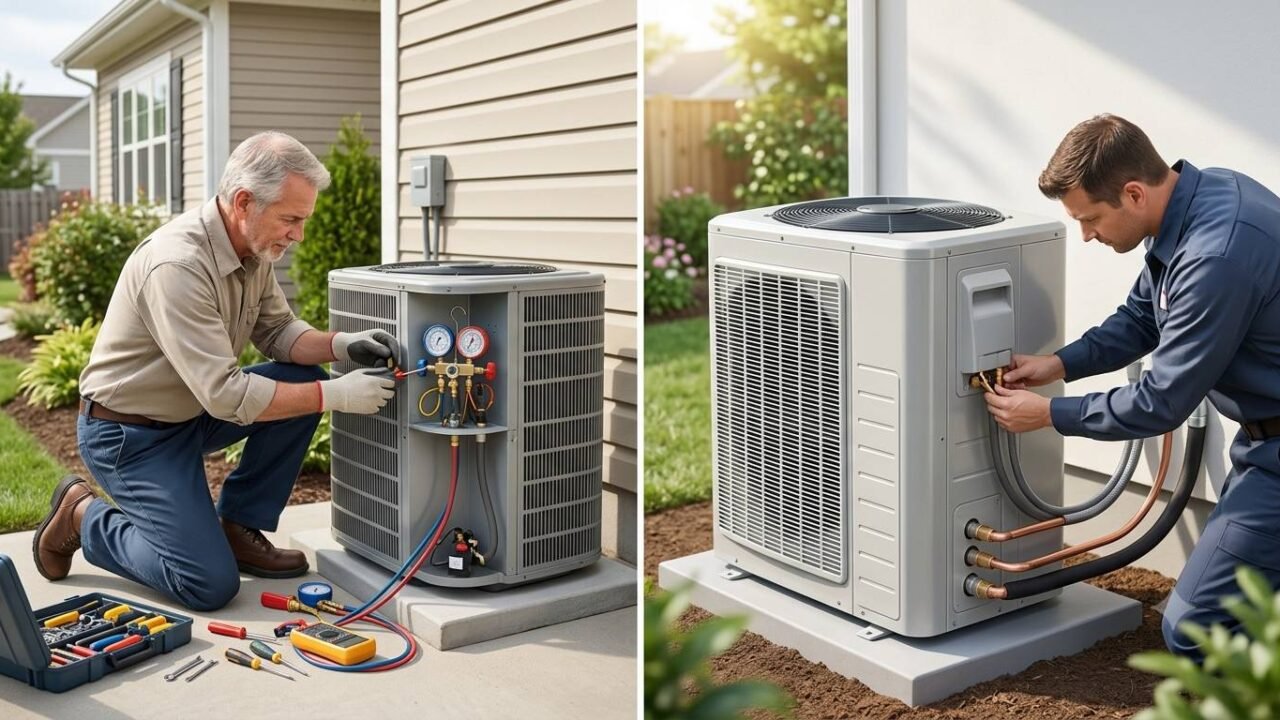
Quarterly or seasonal tasks can involve cleaning gutters, servicing heating or cooling systems, checking windows and doors for drafts, and inspecting exterior walls and paint. These tasks take a bit more time but play a key role in keeping your home running efficiently. By spreading tasks across the year, nothing feels too heavy at once. It becomes part of your routine rather than a large, overwhelming project
Keep It Flexible, Not Rigid
A common mistake is creating a schedule that is too strict. Life changes, and your plan should allow for that.
If you miss a task, it should not feel like failure. Simply move it to the next available time. The goal is consistency over perfection.
A flexible schedule also helps you adjust based on new needs. For example, if you notice damp issues during winter, you can add extra checks during colder months. Your schedule should evolve with your home.
Use Tools That Make It Easier
You do not need anything complicated to stay organised. The best tools are the ones you will actually use.
Some practical options include:
- A simple wall calendar for visual tracking
- Phone reminders for recurring tasks
- Notes apps for quick checklists
- Digital planners for long-term scheduling
The key is visibility. When tasks are easy to see and track, they are far more likely to get done.
Balance Routine Tasks with Bigger Projects
Routine maintenance keeps things running smoothly, but larger projects still need attention. These could include repainting, roof repairs, or replacing older fixtures.
Instead of letting these build up, plan them. Choose one or two larger projects per year and spread them out. For example:
- Spring: exterior repairs or garden improvements
- Autumn: insulation checks or heating upgrades
This approach keeps your home improving over time without creating financial or time pressure all at once.
Build the Habit, Not Just the Plan
A schedule only works if it becomes part of your routine. The easiest way to build this habit is to link maintenance tasks with things you already do every day or week. For example, you can check plumbing while cleaning the kitchen, test alarms at the start of each month, and inspect outdoor areas during your regular weekend chores.
These small actions fit naturally into your routine without requiring extra effort. Small habits reduce the need for constant reminders. Over time, maintenance becomes automatic rather than something you have to consciously remember.
FAQs
How often should I update my home maintenance schedule?
A home maintenance schedule should be reviewed at least once a year. This ensures it reflects any changes in your property, lifestyle, or recurring issues. Regular updates help keep the plan relevant and effective.
What is the most important maintenance task to prioritise?
Essential safety checks should always come first. This includes testing smoke alarms, checking electrical systems, and inspecting for leaks. These tasks protect both the property and the people living in it.
Can I manage home maintenance without professional help?
Many routine tasks can be handled independently with basic knowledge and tools. However, specialised work such as electrical repairs or structural issues should always be handled by qualified professionals to ensure safety and compliance.
How do I stay consistent with maintenance tasks?
Consistency comes from simplicity. Use reminders, keep tasks small, and connect them to regular routines. A manageable schedule is easier to follow and helps build long-term habits without feeling overwhelming.
Conclusion
Creating a home maintenance schedule that actually works is less about perfection and more about practicality. When your plan reflects your home’s real needs and fits into your daily life, it becomes easier to maintain and far more effective. Small, consistent actions prevent larger problems and keep your property in good condition over time. By staying organised, flexible, and realistic, you turn maintenance into a simple routine that protects both your home and your peace of mind.