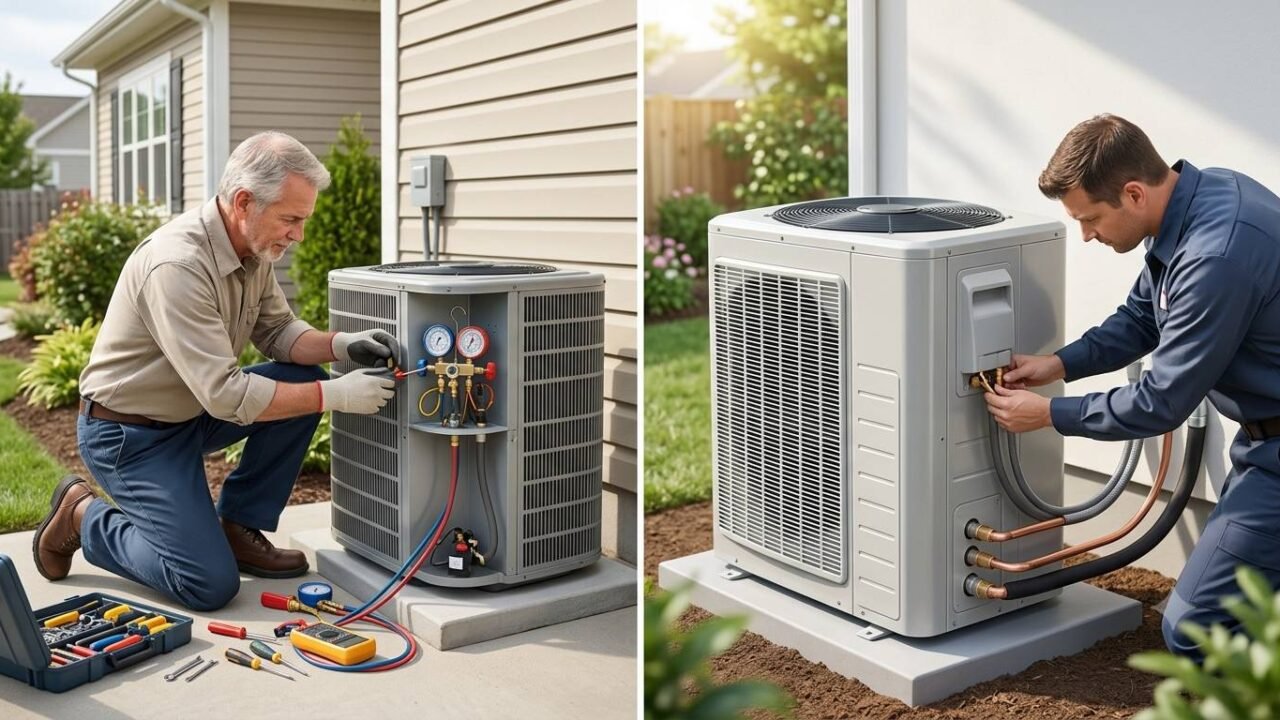





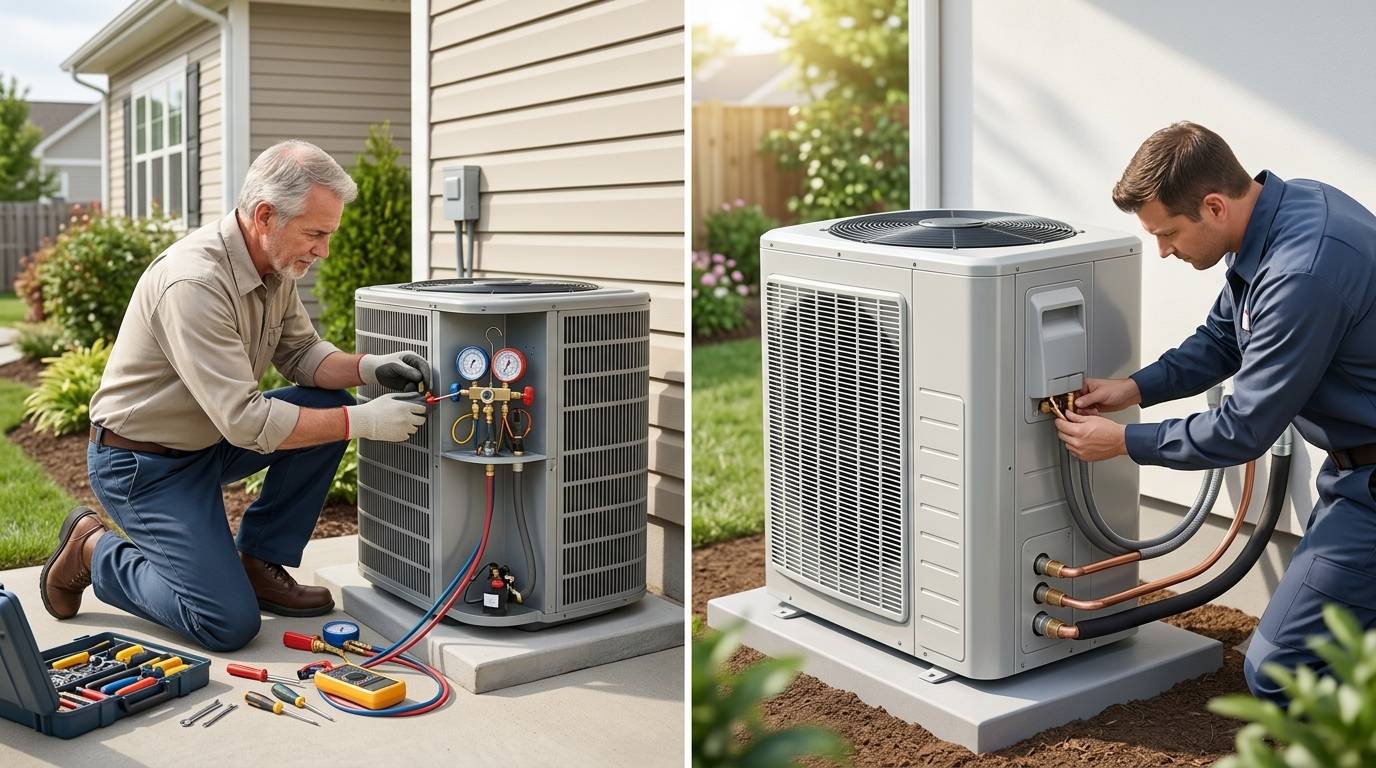
When an air conditioner starts making strange noises, blowing warm air, or struggling to keep your home comfortable, the first question is often whether to repair it or replace it. Both options have advantages, but the right choice depends on the system’s condition, age, repair needs, and expected future performance.
Homeowners looking for air conditioning services in Colorado Springs often face this decision when a cooling system stops working efficiently. A repair may solve the immediate problem at a reasonable cost, while replacement can provide better reliability and efficiency over the long term. Understanding the key factors can make the decision easier.
Consider the Age of Your AC System
The age of your air conditioner is one of the first things to consider. Older systems are generally more likely to experience repeated problems, especially when several components have already needed attention.
If you are considering air conditioning services in Colorado Springs, the age and overall condition of your system can help determine whether repair or replacement is the more practical choice. If your system is relatively new and has otherwise performed reliably, repairing a faulty component may make more sense. However, an ageing unit with frequent breakdowns may no longer be worth continued investment.
Age alone should not determine the decision. A professional inspection can help establish whether the system still has useful life remaining.
Look at the Cost of the Repair
The expected repair cost is another important consideration. A small issue, such as a faulty electrical component or worn part, may be straightforward to fix. In such cases, repairing the system can be a sensible option.
More extensive repairs require greater consideration. If a major component has failed or several expensive problems are developing at the same time, putting more money into an ageing system may offer limited value.
When reviewing the repair estimate, consider:
- The immediate repair cost
- The condition of other major components
- The likelihood of additional repairs
- How long the system may continue operating
- The potential cost of replacing the entire unit
Think About Energy Efficiency
An older air conditioner may continue to operate while using more energy than a newer system. Wear, ageing components, and outdated technology can all affect cooling performance.
If your monthly energy costs have increased without a significant change in usage, it may be worth having the system assessed. Better efficiency can be one reason to consider replacement, particularly if the existing unit is already experiencing other problems.
However, higher energy use does not automatically mean replacement is necessary. A dirty filter, restricted airflow, or another correctable issue could also reduce performance.
Pay Attention to Frequent Breakdowns
Repeated repairs can be frustrating and expensive. If your air conditioner needs attention several times within a relatively short period, those costs can gradually add up.
A system that repeatedly breaks down may provide less reliability even after individual problems are fixed. Consider the total repair costs and whether another breakdown could occur soon.
On the other hand, occasional repairs are normal for many mechanical systems. One isolated problem does not necessarily mean the entire air conditioner needs to be replaced.
Consider Comfort and Cooling Performance
An air conditioner should provide consistent cooling throughout the home. If some rooms remain uncomfortable, the system runs for unusually long periods, or airflow seems weak, there may be an underlying issue.
Sometimes these symptoms can be resolved through maintenance or repair. Problems with airflow, electrical components, refrigerant-related issues, or other parts may affect performance.
If the system is old and continues to struggle after professional repairs, replacement may offer a more dependable solution.
Get a Professional Assessment
It can be difficult to determine the best option by looking at the air conditioner alone. A qualified HVAC professional can inspect the system, identify the cause of the problem, and explain the available options.
Ask for a clear explanation of what has failed, what the repair involves, and whether other components show signs of wear. If replacement is recommended, ask about the expected benefits and whether the proposed system is appropriately sized for the home.
Avoid making a decision based solely on the cheapest immediate option. A low-cost repair may be worthwhile, but repeated repairs can become less economical over time.
Repair or Replace: Which Is Better?
There is no universal answer. Repair is often suitable when the system is relatively reliable, the problem is limited, and the repair cost is reasonable. Replacement may make more sense when the unit is ageing, frequently breaking down, performing poorly, or facing a major repair.
The goal is to choose the option that provides the best balance of cost, reliability, comfort, and expected service life.
Conclusion
Choosing between AC repair and replacement requires more than looking at the latest repair bill. Consider the system’s age, condition, efficiency, repair history, and cooling performance. A professional assessment can help you understand the condition of the equipment and make a practical decision based on your home’s needs and long-term comfort.