



Owning a home comes with a steady stream of responsibilities, and one of the most important is staying ahead of potential problems. Small issues rarely stay small for long. What begins as a minor leak or faint crack can quietly grow into a costly repair if left unchecked. Routine home inspections offer a simple, practical way to protect both your property and your finances.
By developing a habit of regular checks, you gain a clearer understanding of how your home is performing. More importantly, you can catch early warning signs before they turn into major disruptions.
Why Routine Inspections Matter
Homes are constantly exposed to wear and tear. Weather changes, daily usage, and ageing materials all play a role in gradual deterioration. Without regular attention, these changes can go unnoticed until the damage becomes obvious and expensive.
Routine inspections shift your approach from reactive to proactive. Instead of waiting for something to break, you identify weak points early and address them on your terms. This not only saves money but also reduces stress and unexpected emergencies.
Key Areas to Check Regularly
A thorough home inspection does not require specialist tools. It simply requires awareness and consistency. Focus on the parts of your home that are most likely to develop issues over time.
Electrical Systems
Start with the basics. Look for flickering lights, frequently tripping breakers, or outlets that feel warm to the touch. These signs may indicate underlying electrical faults that need professional attention. Even minor irregularities should not be ignored, as electrical issues can escalate quickly.
Plumbing and Water Lines
Water damage is one of the most common and costly problems homeowners face. Check under sinks, around appliances, and near exposed pipes for dampness or staining. Low water pressure or slow drainage can also signal hidden blockages or leaks.
Structural Elements
Pay close attention to walls, ceilings, and floors. Small cracks may seem harmless, but they can indicate shifting foundations or structural stress. Doors and windows that suddenly become difficult to open or close can also point to alignment issues.
Ventilation and Airflow
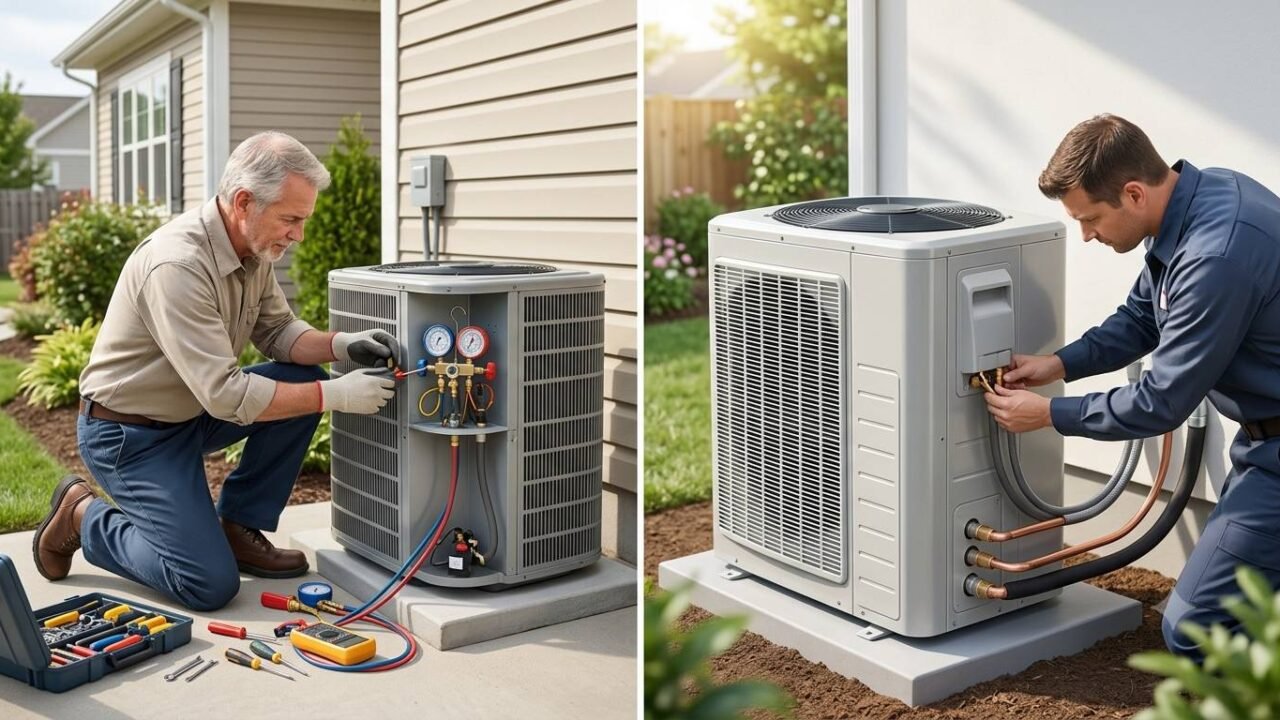
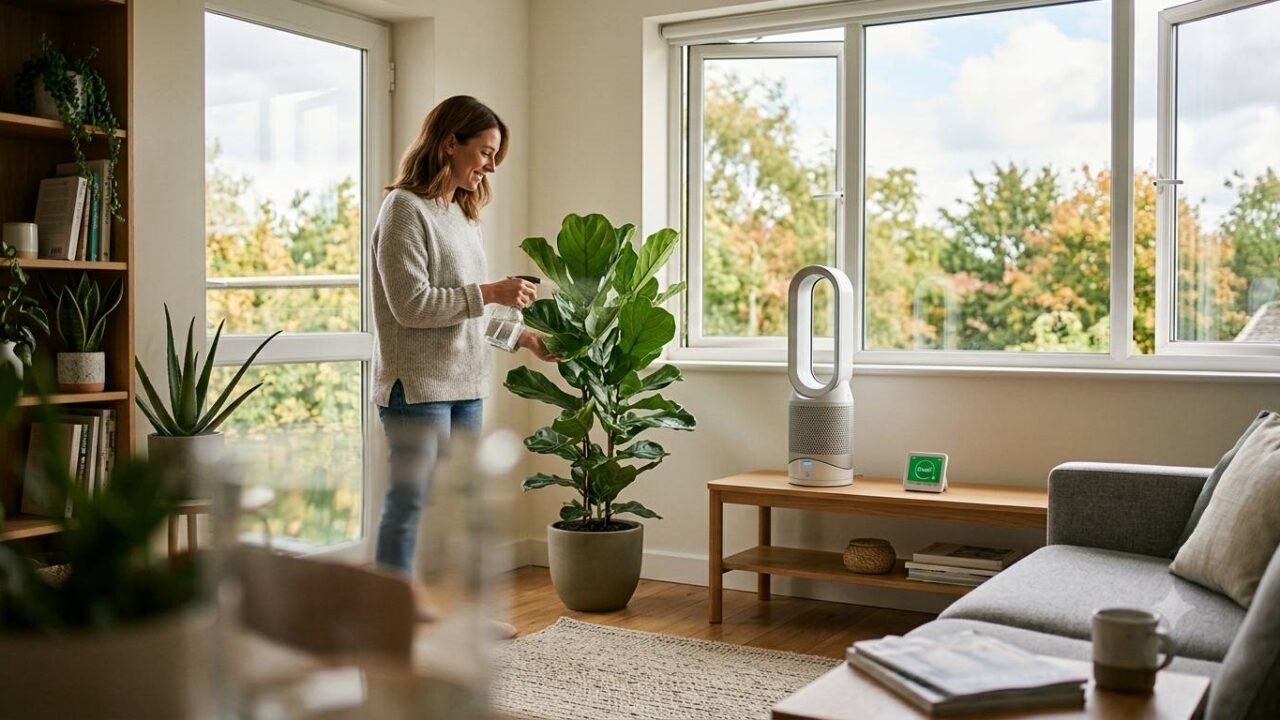
Proper airflow is essential for maintaining a healthy indoor environment. Inspect vents and extractor fans to ensure they are functioning correctly. Poor ventilation can lead to condensation, which encourages mould growth and damages surfaces over time.
Common Warning Signs You Should Not Ignore
Certain signs act as early indicators of deeper problems. Recognising them early can make all the difference.
- Persistent damp patches or musty odours
- Peeling paint or bubbling wallpaper
- Unusual sounds such as dripping, creaking, or buzzing
- Sudden increases in energy or water bills
Each of these signals suggests something is not working as it should. Acting promptly can prevent further damage and reduce repair costs.
Creating a Simple Inspection Routine
Consistency matters more than complexity. You do not need an elaborate system to stay on top of home maintenance. A straightforward routine can be highly effective.
Set aside time every few months to walk through your property with a critical eye. Take note of anything that looks or feels different from normal. Seasonal checks can also be useful, as different times of year place different demands on your home.
For example, after winter, inspect for water damage or roof issues. During warmer months, focus on ventilation and cooling systems. By aligning inspections with seasonal changes, you cover a wider range of potential concerns.
When to Call a Professional
While many issues can be identified through visual checks, not all problems should be handled alone. If you notice persistent faults, structural concerns, or anything related to electrical systems, it is wise to consult a qualified professional.
Professional inspections provide a deeper level of assessment. They can confirm whether a concern is minor or requires immediate action. Seeking expert advice early often prevents more significant complications later.
Long-Term Benefits of Preventive Care
Routine inspections are not just about avoiding repairs. They contribute to the long-term value and performance of your home. A well-maintained property is more energy-efficient, safer to live in, and more appealing if you ever decide to sell.
There is also a sense of confidence that comes from knowing your home is in good condition. Instead of reacting to unexpected issues, you remain in control, making informed decisions about maintenance and upgrades.
Conclusion
Routine home inspections are a simple yet powerful habit. They allow you to identify small problems early, take timely action, and avoid unnecessary expenses. By paying attention to key areas such as electrical systems, plumbing, structure, and ventilation, you build a clear picture of your home’s condition.
In the long run, this proactive approach saves money, reduces stress, and protects your investment. A few careful checks today can prevent major repairs tomorrow, making routine inspections one of the smartest steps any homeowner can take.