


Creating a home gym can save time, money, and effort while making fitness more convenient. This guide covers everything from choosing the right space and flooring to selecting equipment that matches your goals and budget. Whether you’re setting up a small corner workout area or a fully equipped fitness room, you’ll learn practical ways to create a comfortable, motivating, and effective home gym that supports long-term exercise success.
Introduction
A home gym offers something many people struggle to find in a traditional fitness centre: convenience. There is no travelling across town, waiting for machines, or working around opening hours. You can exercise whenever it suits your schedule and create an environment that feels comfortable and motivating.
The growing popularity of home fitness has shown that a successful workout space does not require a large room or thousands of pounds worth of equipment. With careful planning and smart purchasing decisions, almost anyone can build a practical home gym that supports their fitness goals.
The key is to focus on function first. Before buying equipment, take time to understand your available space, budget, and workout preferences. A well-planned setup often delivers better results than a room filled with expensive equipment that rarely gets used.
Start With an Honest Assessment of Your Space
Every successful home gym begins with a realistic look at the available space. A spare bedroom, garage, basement, loft conversion, garden outbuilding, or even a corner of the living room can become an effective workout area. Before purchasing any equipment, consider the following factors:
- Measure the available floor space accurately.
- Check ceiling height, especially if you plan to perform overhead exercises.
- Assess ventilation to maintain a comfortable workout environment.
- Take advantage of natural light where possible to make the space feel more inviting.
- Identify nearby electrical outlets for fitness equipment, fans, or entertainment systems.
- Consider noise levels if the gym is located near bedrooms or shared living areas.
- Ensure there is enough room to move safely around equipment.
The flooring underneath your equipment is equally important. Different surfaces require different solutions to create a safe and durable workout area.
- Hard floors may need protective rubber mats to prevent damage.
- Carpeted areas often require additional support for stability.
- Rubber gym flooring helps absorb impact and reduce noise.
- Interlocking floor tiles offer an affordable and flexible option.
- Proper flooring can extend the lifespan of both your equipment and your home.
Taking time to evaluate these details before setting up your home gym can help you avoid costly mistakes and create a space that feels comfortable, practical, and enjoyable to use every day.
Define Your Fitness Goals Before Buying Equipment
One of the biggest mistakes people make is purchasing equipment before deciding how they want to train.
Someone focused on strength training will need different equipment from a person interested in cardiovascular fitness. Likewise, flexibility training requires less equipment than a comprehensive strength and conditioning programme. Ask yourself a simple question: What type of exercise do you enjoy enough to do consistently?
If your goal is weight loss, a combination of resistance training and cardio equipment may work best. If building muscle is your priority, free weights and strength equipment should take centre stage. For general fitness, a balanced setup with versatile equipment often provides the greatest value. When your equipment matches your goals, it is far more likely to be used regularly.
Building a Home Gym on a Small Budget
A highly effective home gym can be created without spending a fortune. For beginners, a modest budget can cover the essentials. Resistance bands, adjustable dumbbells, a quality exercise mat, and a skipping rope can support a wide range of workouts. These items take up little space and provide excellent versatility.
Many fitness professionals recommend starting small and upgrading gradually. This approach allows you to discover which types of training you enjoy before investing in larger equipment. A budget-friendly setup often delivers better results than an expensive room filled with machines that gather dust.
Mid-Range Home Gym Options
As your budget increases, so do your options. Adjustable weight benches, kettlebells, pull-up bars, and compact cardio machines can dramatically expand your exercise possibilities. These additions allow for greater workout variety and support long-term fitness progression.
At this stage, storage becomes important. Keeping equipment organised helps maintain a clean and inviting environment. Wall-mounted racks, shelving units, and storage bins can prevent clutter while making workouts more efficient. A tidy workout space often feels more professional and encourages consistent use.
Creating a Premium Home Gym Experience
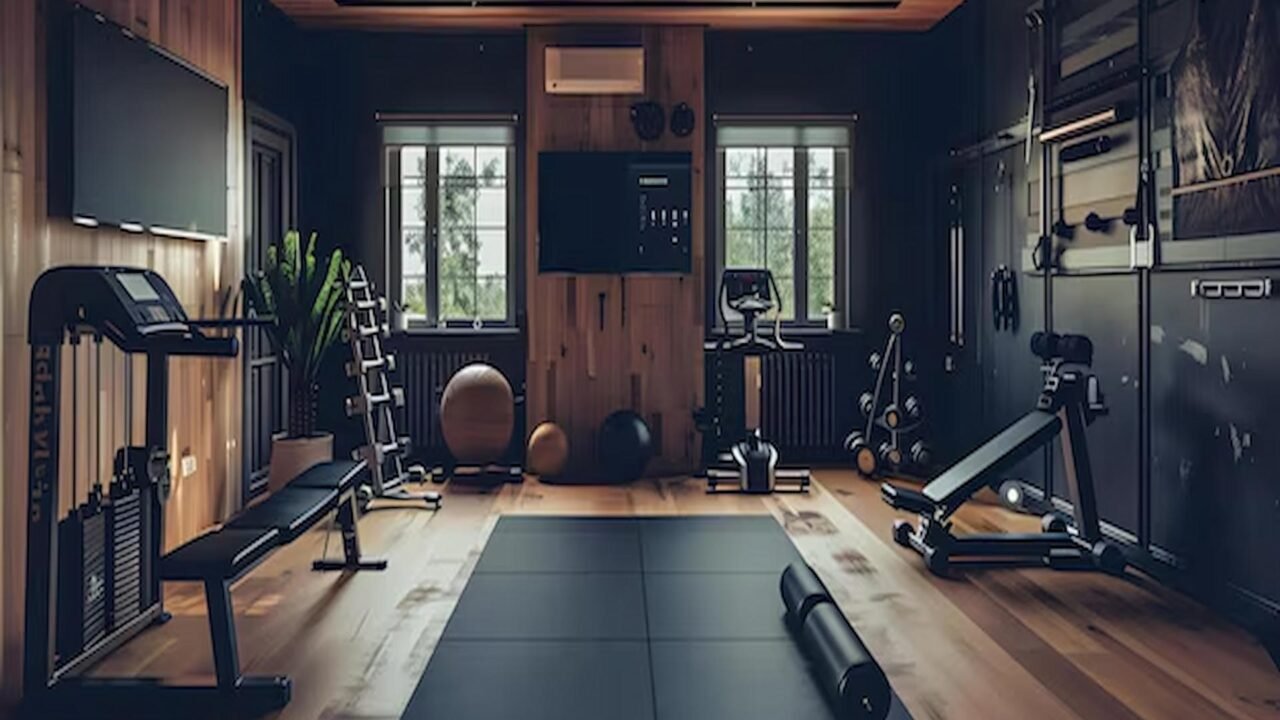
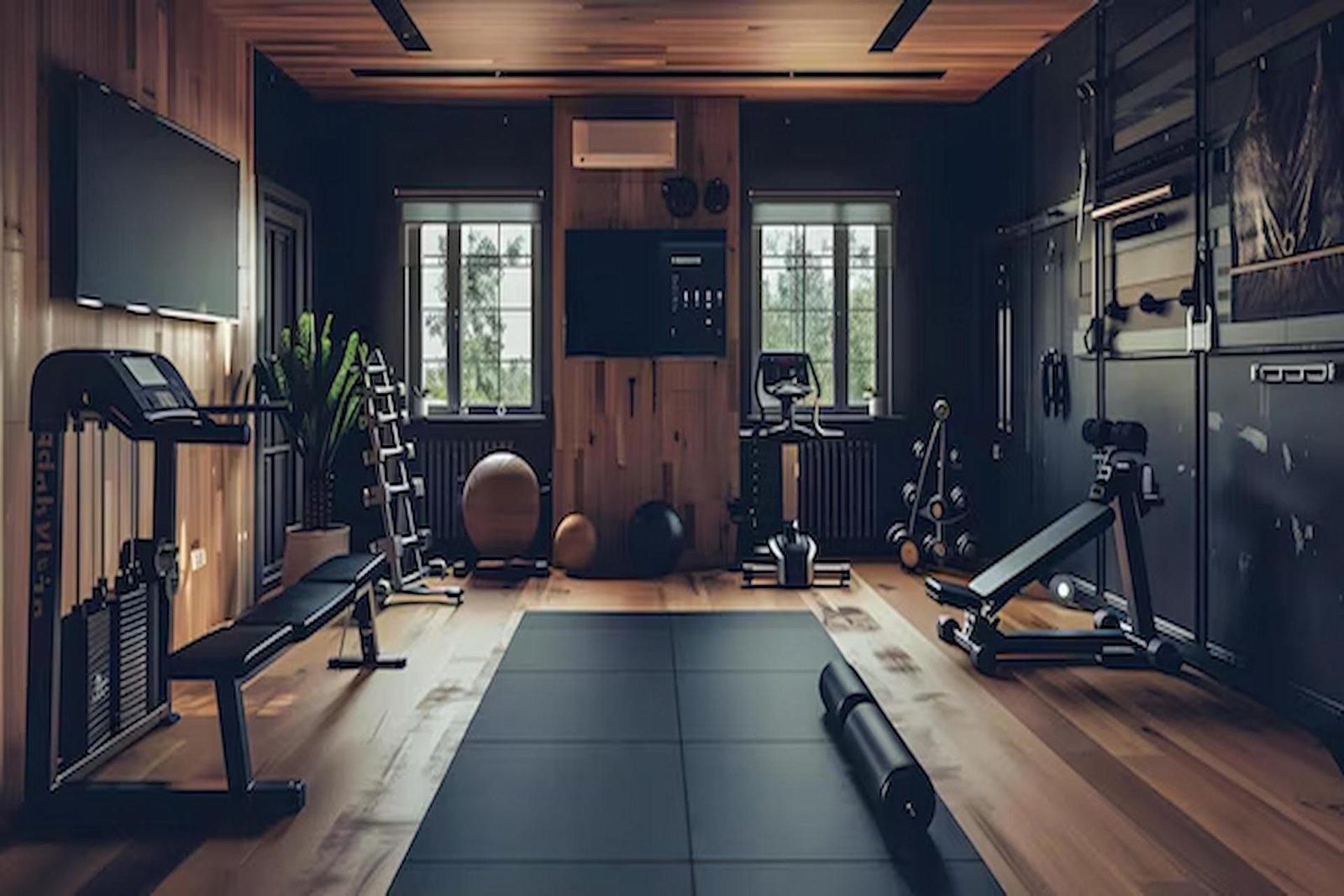
For those with dedicated space and a larger budget, a fully equipped home gym can rival many commercial facilities. Premium setups allow for greater workout variety, improved comfort, and a more professional training experience.
Some popular additions include:
- Power racks for safe and effective strength training
- Cable machines for versatile full-body workouts
- Rowing machines for low-impact cardiovascular exercise
- Treadmills for convenient indoor running and walking
- Indoor cycling bikes for endurance and fitness training
- Specialised strength equipment for targeted muscle development
- Large mirrors to improve exercise form and make the room feel more spacious
Proper lighting also contributes to the overall atmosphere. Consider:
- Bright overhead lighting for better visibility
- Natural light where possible to create an energising environment
- Adjustable lighting options for different workout styles and times of day
Other premium features that can improve the experience include:
- Rubber gym flooring for comfort and protection
- Wall-mounted storage systems to keep equipment organised
- Fans or climate control for better airflow
- A quality sound system for music or guided workouts
- Dedicated stretching or recovery areas
While premium equipment can enhance the experience, it is important to remember that consistency matters more than equipment price tags. A well-used gym will always deliver better results than an expensive space that sits unused.
The Importance of Flooring and Safety
Flooring is often overlooked, yet it plays a major role in both safety and comfort. Rubber gym flooring remains one of the most popular options because it absorbs impact, reduces noise, and protects floors from damage. Interlocking rubber tiles are particularly useful because they are easy to install and replace.
Safety should always be a priority. Leave enough room around equipment for movement and maintain clear walkways throughout the space. Regularly inspect equipment for wear and tear to reduce the risk of injury. A safe environment helps build confidence and supports long-term training habits.
Designing a Space You’ll Actually Use
The best home gym is not necessarily the biggest or most expensive. It is the one that encourages regular use. Small design choices can have a significant impact on motivation. Natural light, clean organisation, comfortable temperatures, and personal touches can make the space more inviting.
Some people enjoy motivational artwork, while others prefer a minimalist environment free from distractions. Music systems, fans, and convenient access to water can further improve the workout experience.
Creating a space that feels enjoyable increases the likelihood that exercise becomes part of your daily routine rather than an occasional activity.
Frequently Asked Questions
How much space do I need for a home gym?
A small home gym can fit into an area as little as 2m x 2m, depending on the equipment and exercises you plan to perform.
What is the best flooring for a home gym?
Rubber flooring is often considered the best option because it provides durability, comfort, noise reduction, and floor protection.
How much does it cost to build a home gym?
A basic setup can start around £150-£300, while larger dedicated gyms may cost several thousand pounds.
What equipment should beginners buy first?
Adjustable dumbbells, resistance bands, an exercise mat, and a skipping rope offer excellent value and versatility for beginners.
Is a home gym worth the investment?
For many people, a home gym saves time, removes travel costs, and makes regular exercise more convenient and accessible.
Conclusion
Building a home gym does not require unlimited space or an enormous budget. What matters most is creating a workout environment that matches your goals, fits your lifestyle, and encourages consistency. By carefully assessing your space, choosing equipment that supports your preferred training style, and investing in practical features such as quality flooring and organisation, you can create a fitness area that delivers lasting value. Whether you start with a simple exercise mat and a pair of dumbbells or build a dedicated training room, a thoughtfully designed home gym can help you stay active, motivated, and committed to your health for years to come.