




Modern air conditioning systems are essential for maintaining comfortable indoor temperatures, especially during the sweltering summer months. Yet, even the most efficient units can encounter issues that compromise their performance. One of the more insidious problems homeowners face is a refrigerant leak. Often invisible and silent, a refrigerant leak can gradually reduce cooling efficiency, raise energy costs, and, in some cases, pose health and environmental risks .
Understanding how and why refrigerant leaks occur is crucial for both preventing damage and ensuring your AC operates at peak performance. In this article, we explore the signs of a refrigerant leak, the causes behind it, and the steps homeowners should take to address this hidden issue.
What Is a Refrigerant Leak?
Refrigerants are chemical compounds that absorb heat from your home and release it outside, allowing your air conditioner to cool your living space. When there is a leak, the refrigerant escapes from the system, diminishing the unit’s ability to regulate temperature. Unlike water leaks, which are often obvious, refrigerant leaks are rarely visible and usually do not produce immediate symptoms, which is why they can go unnoticed for extended periods.
Over time, even a small leak can have significant consequences. A compromised refrigerant level forces the AC to work harder, potentially leading to higher energy bills and premature wear on the compressor and other components.
Common Causes of Refrigerant Leaks
Several factors can lead to refrigerant leaks in air conditioning systems. The most common causes include:
- Corrosion and Wear – AC components such as coils, pipes, and connections can corrode over time, especially in humid or coastal environments. Tiny pinholes may form, allowing refrigerant to escape.
- Physical Damage – Accidental impacts or improper handling during installation or maintenance can damage the lines or fittings, causing leaks.
- Manufacturing Defects – Rarely, a defect in the unit’s tubing or seals may result in a leak, even in newer systems.
- Vibration and Movement – Continuous vibration from operation can loosen joints and connections, creating small gaps where refrigerant can escape.
Identifying the root cause of a leak is essential for determining whether a repair or full component replacement is necessary.
Signs Your AC Might Be Losing Refrigerant
Since refrigerant leaks often develop gradually, it’s important to recognise subtle warning signs before the problem escalates. Homeowners should look out for:
- Reduced Cooling Efficiency – The unit struggles to reach the set temperature, or some rooms feel warmer than others.
- Longer Running Cycles – The AC runs continuously or for extended periods, consuming more energy than usual.
- Ice Formation on Coils – Low refrigerant levels can cause the evaporator coils to freeze, reducing airflow and efficiency.
- Unusual Hissing or Bubbling Sounds – These noises can indicate escaping refrigerant or trapped air in the lines.
- Higher Energy Bills – A noticeable increase in electricity usage can signal that the system is overworking due to insufficient refrigerant.
Prompt attention to these signs can prevent more costly repairs down the line.
Risks Associated with Refrigerant Leaks
Beyond inefficiency and higher energy bills, refrigerant leaks carry additional risks. For one, certain refrigerants can be harmful if inhaled in large quantities, potentially leading to respiratory issues or dizziness. Moreover, refrigerants are potent greenhouse gases, and their release contributes to environmental damage. Addressing leaks promptly not only protects your home but also helps minimise ecological impact.
Detecting and Repairing Leaks
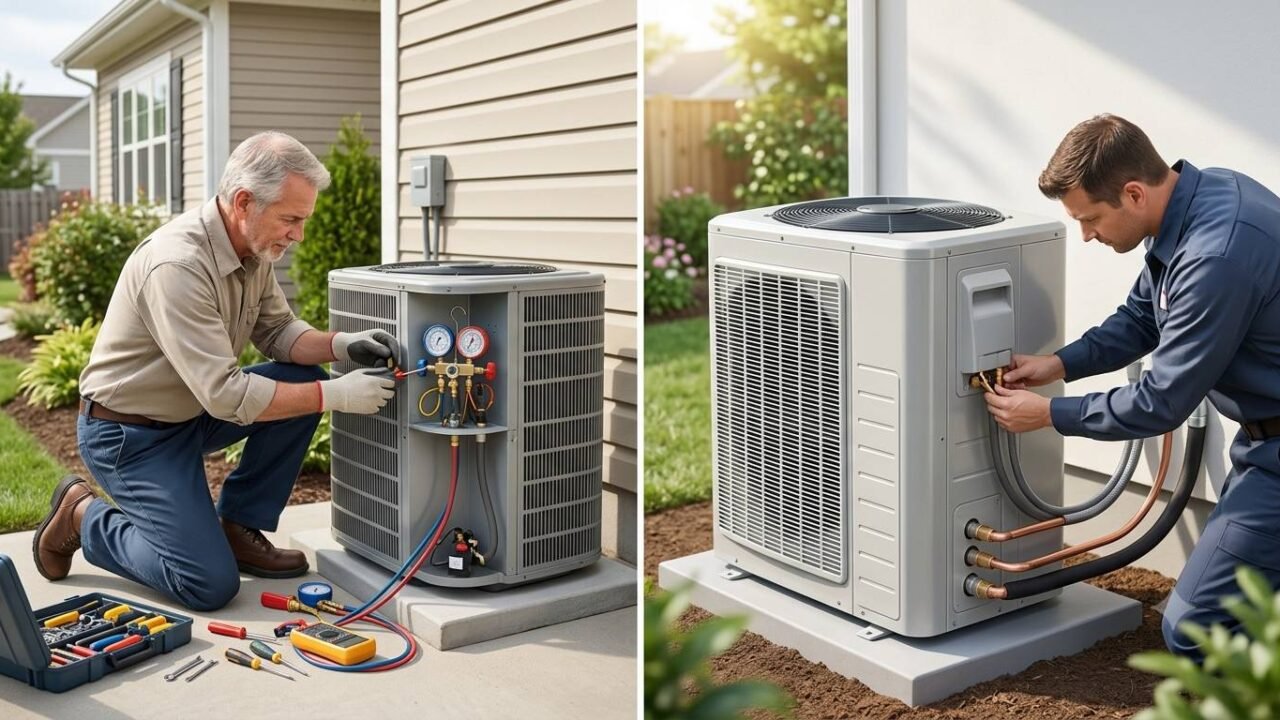
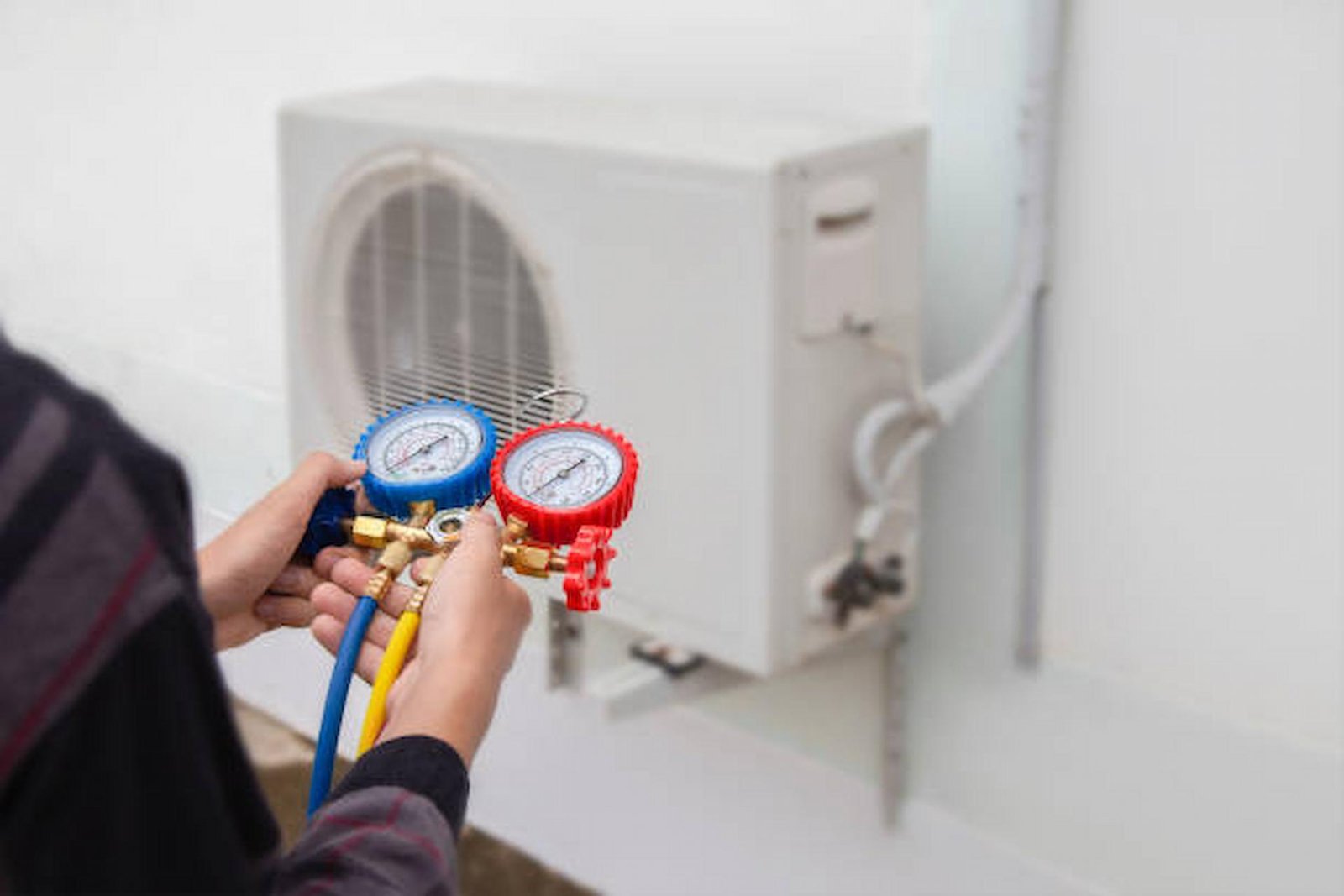
Professional technicians use specialised tools to detect refrigerant leaks, including electronic leak detectors, ultraviolet dye, and pressure testing equipment. While DIY attempts may seem tempting, handling refrigerants requires certification due to legal and safety regulations.
Once a leak is identified, the repair process typically involves:
- Locating the Leak – Technicians trace the system to find the source.
- Repairing or Replacing Damaged Components – Depending on the severity, a patch, seal, or part replacement may be required.
- Recharging the System – The correct type and amount of refrigerant are added to restore optimal performance.
- Testing for Efficiency – The AC is run to ensure the leak has been fixed and the system is cooling effectively.
Regular maintenance, including inspection of coils, lines, and fittings, can help prevent leaks from occurring and ensure that minor issues are addressed before they escalate.
Preventive Measures for Homeowners
While some leaks are unavoidable due to wear and tear, there are steps homeowners can take to minimise the risk:
- Schedule annual professional AC maintenance to check refrigerant levels and system integrity.
- Keep the area around the outdoor unit clean and free from debris.
- Ensure proper insulation of refrigerant lines to reduce exposure to elements.
- Watch for early warning signs and address performance changes promptly.
A proactive approach not only extends the life of your air conditioning system but also keeps energy costs manageable.
Conclusion
A refrigerant leak is a problem that can quietly undermine your air conditioner’s performance while increasing energy consumption and environmental impact. Recognising the early warning signs, understanding potential causes, and acting promptly with professional intervention are key to protecting both your home and the system itself. Regular maintenance and vigilance go a long way in preventing minor leaks from evolving into costly repairs, ensuring your living space remains cool, comfortable, and efficient throughout the year
By taking these preventive steps, homeowners can avoid unexpected breakdowns, maintain optimal indoor temperatures, and contribute to a more environmentally responsible use of refrigerants. Remember, addressing a leak as soon as it is suspected is always better than waiting until it affects your entire system.