



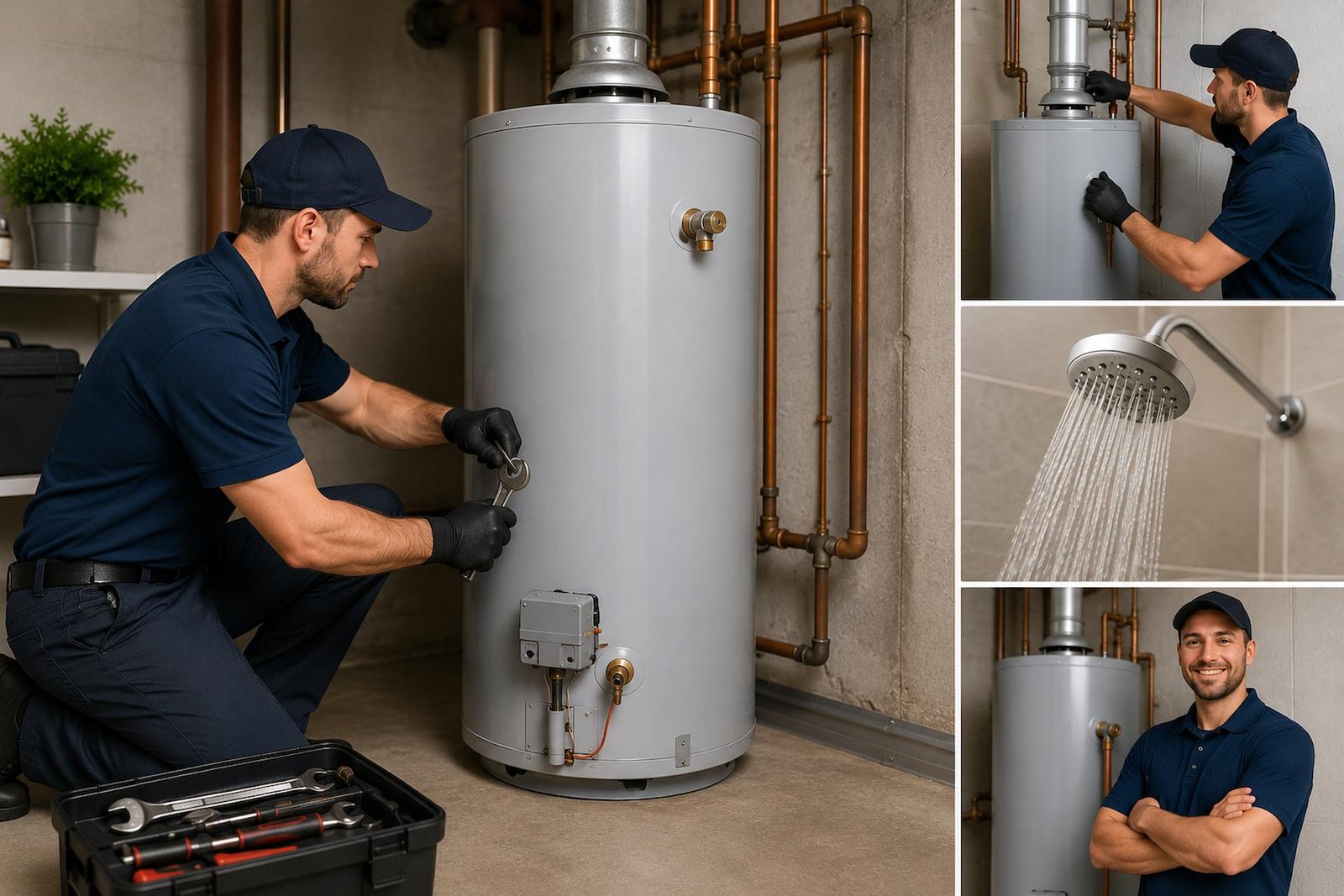
Few things disrupt a household’s daily rhythm more than a sudden lack of hot water. Whether it is the shock of a freezing morning shower or the inability to run the dishwasher effectively, a failing water heater quickly moves from a minor nuisance to a primary concern. For most homeowners, the plumbing system is the backbone of domestic comfort, and the water heater is its most hardworking component. When your current unit begins to leak, make strange rumbling noises, or simply fails to meet the demand of your family, seeking out professional water heater installation becomes an essential step in restoring your home’s functionality. A quick, efficient setup performed by experts ensures that you don’t just get your hot water back, but that the new system is optimized for safety and energy efficiency.
Choosing the right service provider is about more than just finding someone who can haul away an old tank. Modern water heating technology has evolved rapidly, offering a variety of high-efficiency models, including traditional storage tanks, tankless systems, and heat pump hybrids. Each of these requires a specific set of skills for a successful integration into your home’s existing plumbing and electrical or gas lines. A top-rated installation service focuses on a seamless transition, minimizing downtime while ensuring that every connection meets strict local building codes. By prioritizing a professional setup, you protect your investment and guarantee that your new appliance operates at peak performance from the very first day.
Understanding Your Water Heating Options
Before the installation process begins, it is vital to understand which type of system best fits your lifestyle. Traditional tank water heaters remain a popular choice due to their lower upfront costs and reliability. These units store a large volume of water and keep it heated 24/7, ensuring a ready supply. However, for households looking to maximize space and energy savings, tankless water heaters—often called “on-demand” systems—are becoming the gold standard. They only heat water as it flows through the unit, virtually eliminating the standby energy loss associated with tank models.
Tank vs. Tankless: Which is Right for You?
The decision usually hinges on your household’s peak water usage. If you have multiple bathrooms and a large family that often uses hot water simultaneously, a high-capacity tank might be necessary. Conversely, if you are looking to lower your monthly utility bills and want a unit that can last up to 20 years, a tankless system is a superior long-term investment. Expert installers can perform a “load calculation” to determine the exact size and type of unit required to meet your specific needs without wasting energy on excess capacity.
The Importance of Professional Setup
While some DIY enthusiasts might feel tempted to tackle a replacement themselves, the risks often outweigh the potential savings. Water heaters involve a complex intersection of water pressure, high-voltage electricity, and, in many cases, natural gas or propane lines. A minor error in a gas connection or a poorly soldered pipe can lead to catastrophic leaks or fire hazards. When you hire a professional for water heater installation, you are paying for the peace of mind that comes with specialized tools and years of experience. Furthermore, many manufacturer warranties are only valid if the unit was installed by a licensed contractor, protecting you against future mechanical failures.
Navigating Local Building Codes and Permits
Every municipality has specific regulations regarding how water heaters must be installed, particularly concerning seismic strapping in earthquake-prone areas or specific venting requirements for gas-powered units. Professional installers handle the permitting process and ensure that the installation passes local inspections. This is especially important when it comes time to sell your home; unpermitted plumbing work can create significant hurdles during the home inspection phase of a real estate transaction.
Signs You Need a Replacement Sooner Rather Than Later
You shouldn’t wait for a total system failure—or a flooded basement—to start looking at new units. Being proactive allows you to research the best models and schedule an installation at your convenience rather than in an emergency panic. Look for these warning signs that your unit is approaching the end of its lifespan:
- Age of the Unit: Most traditional water heaters last between 8 and 12 years. If yours is over a decade old, it is living on borrowed time.
- Rusty Water: If you notice a metallic tint to your hot water but not the cold, the interior lining of your tank may be corroded.
- Strange Noises: Popping or rumbling sounds indicate sediment buildup at the bottom of the tank, which causes the metal to overheat and eventually crack.
- Frequent Repairs: If you are calling a plumber once a year to replace heating elements or thermostats, those costs are better diverted toward a new, efficient unit.
- Inconsistent Temperatures: Fluctuating water heat often signals a failing dip tube or a compromised heating element.
Maximizing Energy Efficiency and Home Comfort
One of the most rewarding aspects of a new installation is the immediate impact on your monthly energy expenditures. Modern units are significantly better insulated and use advanced burner or element technology to heat water more quickly with less fuel. To further enhance your home comfort, many installers suggest adding a thermal expansion tank or a recirculating pump. These additions ensure that hot water reaches your faucets almost instantly, reducing water waste and improving the overall efficiency of your plumbing system.
Enhancing Longevity Through Maintenance
Once your new water heater is in place, the goal shifts to protecting that investment. Even the highest-rated units require occasional attention to maintain their efficiency. Most professionals recommend an annual flush of the tank to remove mineral deposits, especially in areas with hard water. Additionally, checking the anode rod every few years is crucial; this “sacrificial” rod attracts corrosive elements in the water, sacrificing itself so that the tank lining remains intact. By staying on top of these small tasks, you can easily extend the life of your new heater by several years.
Conclusion
Investing in a top-rated water heater installation service is the most effective way to ensure your home remains a sanctuary of comfort and convenience. From selecting the right technology—whether it’s a high-efficiency tank or an on-demand tankless system—to ensuring a safe and code-compliant setup, professional expertise makes all the difference. By recognizing the warning signs of a failing unit and acting before a crisis occurs, you can enjoy lower utility bills, improved water quality, and the peace of mind that comes with a reliable hot water supply. Don’t let a failing heater dampen your daily routine; reach out to a professional today to discuss your options for a quick, expert setup.
 Nyla Sharon