




Thu. Apr 30th, 2026

Since the decade of the middle of 50s, automatic transmission started replacing the manual in many countries and many manufacturers took the change positively and reflected while launching their models since then. Slowly but steadily automatic transmission won the race in making cars and trucks turn towards it.

After years of experience with the manual transmissions, the concept of running cars with automatic ones could be seen evolving over the years. Today, the success rate of this transmission is so huge that it takes time to find out vehicles that are still available with manual transmissions. Then we also get to see Continuously Variable Transmissions. It is quite understandable, where the manual and automatic transmission would differ, but the difference between automatic and CVT don’t appear to many, to be that simple. So let us take a closer look and learn the differences between both the transmissions from the experts of the Cadillac dealer Palmdale.

The Automatic Transmission

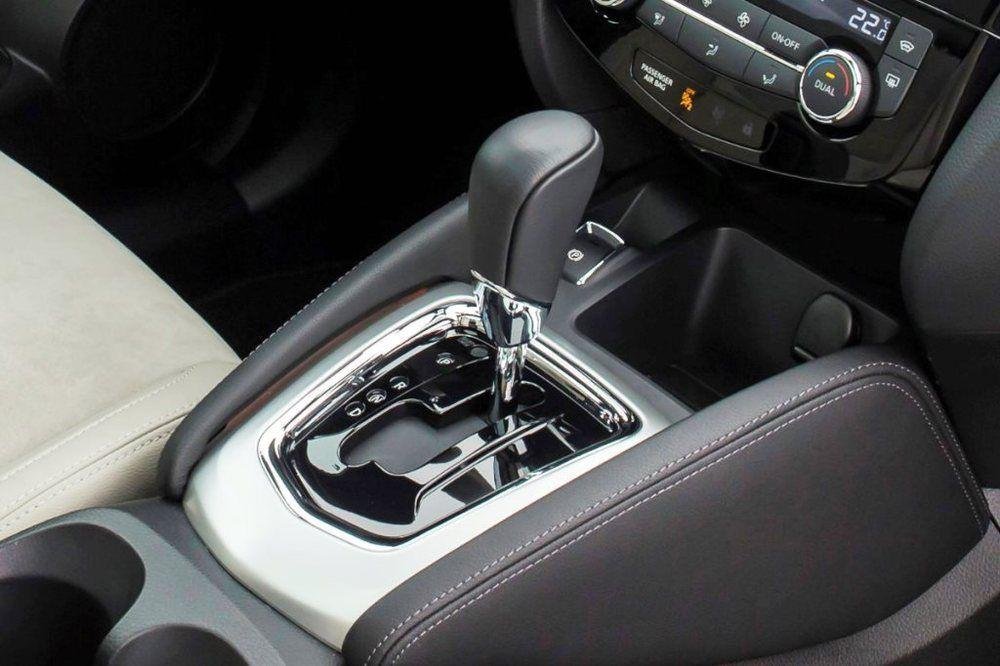
In automatic transmission a fluid that flows from coupling of multiple turbines change the gears with the help of hydraulic pressure that works both for locking and unlocking of a lengthy series of planetary gears. These gears work with shift points that are primarily determined by the load of the engine and its vacuum. On the other side,  a torque converting machine replacing the friction clutch of a manual transmission, decouples the torque of the engine to the transmission and allows the driver to get better hold on the vehicle when he is particularly at a stop in a gear without stopping the engine.

CVT Transmission

The continuously variable transmission (or CVT transmission) as the other transmission type is framed on a totally different concept of design that can keep changing and adapting effective gear ratios constantly. The CVT transmissions are mostly used on vehicles that are consistent of forklifts and snowmobiles in the recent past, but now more and more vehicles are adapting to this type of transmission.

Why to Use CVT Transmission

The very basic advantage of using a CVT transmission is because of its simple way of working, or in other words, it’s simple mechanism. While an automatic transmission is consistent of thousand parts assembled with precision that operate with very less tolerance for each other, the CVT is made of much lesser number of parts in comparison. As a result, the costs of manufacturing,  repairs or overhauling of automatic transmissions are much higher than that of the CVTs .

Why Still Not So Popular

This comparison must be raising the question, why CVTs are yet to come closer to the popularity of the automatic transmission, with so many advantages. The answer is its loss of efficiency faced by many drivers especially at the times of acceleration, and the expense in replacing it. Some of the test drivers working at the Cadillac Palmdale, also complain about the sound it makes, if the engine revs up a little higher before the CVT transmission is properly warmed up. Then comes the lack of stepped shifting that brings down the maneuverability of the car a bit.

By Abby Waechter

Abby Waechter is an accomplished journalist, editorial strategist, and digital publishing professional with over six years of hands-on experience in the media industry. As the Editor-in-Chief of 8Blogs.com, she leads the editorial vision of one of the web's most ambitious business and industry publications — a platform dedicated to delivering sharp, credible, and actionable content for professionals, entrepreneurs, and industry leaders across the globe. Abby's journey into the world of professional writing and editing began long before her byline appeared on any publication. Growing up with a natural curiosity for how businesses work, how economies shift, and how leadership shapes organizations, she found herself drawn to the intersection of journalism and business from an early age. That passion led her to Ohio University — one of the United States' most respected public research universities, located in Athens, Ohio — where she pursued a Bachelor's degree in Journalism and Communications. Ohio University's School of Media Arts and Studies gave Abby a rigorous academic foundation in editorial ethics, news writing, investigative reporting, audience analysis, and multimedia storytelling. It was here that she developed the disciplined writing habits and critical thinking skills that would define her professional career. She graduated with a deep understanding of what separates good content from truly great content — and a firm commitment to always delivering the latter. Before stepping into a full editorial role, Abby gained invaluable real-world experience through internships at newspapers, regional magazines, and online publishing companies. These early career placements were formative. Working in fast-paced newsrooms taught her how to research under pressure, verify facts rigorously, and write with clarity and precision on tight deadlines. Her internship experiences also gave her a front-row seat to the rapid transformation of media — from print-first thinking to digital-first strategy — a shift she embraced fully and has championed ever since. Over the following six to seven years, Abby built a diverse and impressive portfolio spanning writing, reporting, editorial assistance, and content strategy. She has covered topics ranging from startup ecosystems and venture capital trends to leadership philosophy, workplace culture, global trade, and emerging technologies. Her work is consistently praised for being well-researched, reader-friendly, and genuinely insightful — never sacrificing depth for the sake of brevity, nor clarity for the sake of complexity. At 8Blogs.com, Abby oversees a broad editorial mandate that spans twelve content categories including Entrepreneurship, Finance, Marketing, Technology, HR, Sustainability, and Global Business. She sets the tone, maintains editorial standards, and ensures that every article published reflects the publication's core values — integrity, depth, and practical intelligence. When she is not editing or writing, Abby stays close to the business world through industry events, professional reading, and mentoring emerging writers who are just beginning their own editorial journeys.