





Introduction
As businesses continue upgrading their technology infrastructure, the volume of redundant IT equipment is increasing rapidly. Old computers, servers, monitors and networking devices can no longer simply be discarded alongside general waste. Companies are becoming increasingly aware of the environmental, legal, and security responsibilities associated with electronic waste disposal.
This growing awareness is one of the main reasons why more organisations are turning to professional computer recycling London services. By working with specialist recycling providers, businesses can ensure outdated equipment is handled securely, responsibly and in compliance with modern regulations.
Professional recycling not only protects sensitive information but also supports wider sustainability goals and operational efficiency.
The Rising Importance of Responsible Electronic Waste Disposal
Electronic waste has become one of the fastest-growing waste streams globally. Businesses regularly replace IT equipment to improve performance, strengthen cybersecurity and support hybrid working environments. However, outdated devices still contain materials and components that require careful handling.
Improper disposal can contribute to landfill waste, environmental pollution and potential data breaches. As a result, businesses are increasingly prioritising responsible recycling as part of their wider environmental and operational strategies.
Professional recycling providers help ensure equipment is dismantled, processed and disposed of safely while recovering valuable reusable materials wherever possible.
Why Data Security Is Driving Demand for Professional Recycling
One of the biggest concerns for businesses disposing of old computers is data security. Even devices that appear empty may still contain sensitive information, including customer records, financial data and internal company files.
Professional recycling services provide secure handling and certified data destruction procedures to help minimise these risks. This gives businesses confidence that confidential information is being managed appropriately throughout the disposal process.
For many organisations, especially those operating in regulated industries, secure IT disposal is now considered an essential part of overall cybersecurity management.
Supporting Sustainability and Environmental Goals
Sustainability has become an increasingly important focus for businesses across all sectors. Customers, investors and stakeholders now expect organisations to demonstrate environmental responsibility in their day-to-day operations.
Professional computer recycling services in London help businesses reduce their environmental impact by diverting electronic waste from landfills and supporting material recovery processes.
Computers and electronic devices contain recyclable metals, plastics and components that can often be reused in future manufacturing. Recycling these materials reduces the demand for raw resource extraction and supports more sustainable production practices.
For many companies, responsible recycling forms part of broader ESG and corporate sustainability initiatives.
Compliance with UK Waste Regulations
Businesses in the UK must comply with regulations relating to electronic waste disposal and environmental management. Failing to dispose of IT equipment correctly may lead to reputational damage and potential legal consequences.
Professional recycling providers understand the relevant compliance requirements and ensure that equipment is processed in accordance with recognised standards. This includes maintaining proper documentation and providing evidence of secure disposal where necessary.
Using specialist recycling services helps businesses meet their legal obligations while reducing internal administrative pressure.
Improving Efficiency During Technology Upgrades
Technology upgrades and office clearances can create large volumes of redundant equipment that are difficult to manage internally. Professional recycling companies simplify the process by efficiently organising collection, transportation, and recycling.
This allows businesses to focus on operations without the disruption of handling obsolete IT equipment themselves.
Professional services help streamline:
- Office relocations.
- IT infrastructure upgrades.
- Server replacements.
- End-of-life equipment disposal.
- Workspace clearances.
Efficient recycling processes reduce downtime and improve overall operational organisation.
The Financial Advantages of Professional Recycling
Many businesses are also recognising the financial benefits of structured IT recycling. Storing unused equipment unnecessarily can occupy valuable space and increase management costs.
Professional recycling may help businesses:
- Reduce storage requirements.
- Lower disposal-related costs.
- Recover value from recyclable materials.
- Improve long-term waste management efficiency.
- Avoid risks associated with improper disposal.
Over time, responsible recycling can contribute to more cost-effective asset management practices.
Why Businesses Prefer Specialist Recycling Providers
Professional recycling providers offer expertise, structure and reliability that internal disposal processes often cannot match.
Businesses benefit from:
- Secure and traceable disposal processes.
- Specialist handling of electronic waste.
- Compliance support and documentation.
- Environmentally responsible recycling methods.
- Reduced operational burden.
This level of support is particularly valuable for companies managing large quantities of IT equipment or sensitive data.
The Growing Role of Sustainable IT Management
As technology continues to evolve, businesses are taking a more strategic approach to managing the full lifecycle of their equipment. Responsible disposal is now viewed as an important part of long-term IT planning.
This includes extending device lifespan where possible, upgrading systems responsibly and ensuring end-of-life equipment is recycled professionally.
Professional computer recycling supports both sustainability and operational resilience, helping businesses align modern technology management with environmental responsibility.
Frequently Asked Questions (FAQs) about Professional Computer Recycling in London
Why are businesses using professional computer recycling services more often?
Businesses are increasingly prioritising secure data disposal, environmental responsibility and regulatory compliance. Professional recycling providers help manage these requirements efficiently and safely.
What happens to old computers during recycling?
Devices are securely collected, processed and dismantled. Recyclable materials are recovered where possible, while hazardous components are disposed of responsibly according to environmental regulations.
Is professional computer recycling secure for confidential data?
Yes. Reputable recycling companies use certified data destruction methods to ensure sensitive business information cannot be recovered from old devices.
Can professional recycling help businesses meet environmental targets?
Yes. Recycling reduces landfill waste and supports sustainable material recovery, helping businesses improve environmental performance and sustainability reporting.
What types of equipment can be recycled professionally?
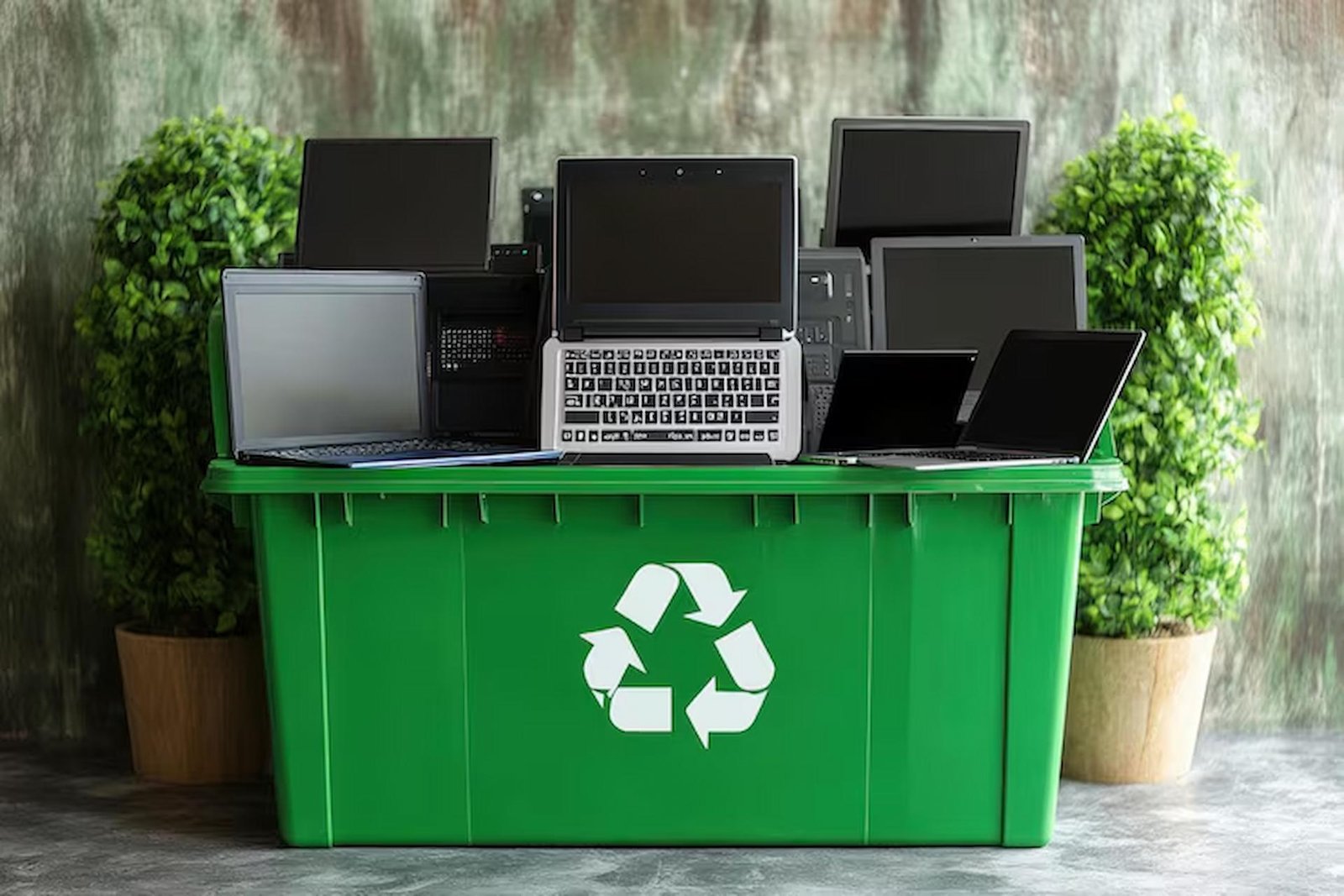
Most electronic devices can be recycled, including desktop computers, laptops, monitors, servers, printers and networking equipment.
Why is compliance important in computer recycling?
Businesses have legal responsibilities regarding electronic waste disposal and data protection. Professional recycling providers help ensure these obligations are met correctly.
Conclusion
As technology replacement cycles accelerate and environmental expectations continue to rise, more organisations are recognising the value of professional computer recycling London.
By partnering with specialist providers, businesses can protect sensitive data, improve sustainability performance, and ensure obsolete equipment is disposed of responsibly and in compliance. Professional recycling is no longer simply a waste management task; it is now an essential part of modern business operations and responsible IT management.
 Abby Waechter