





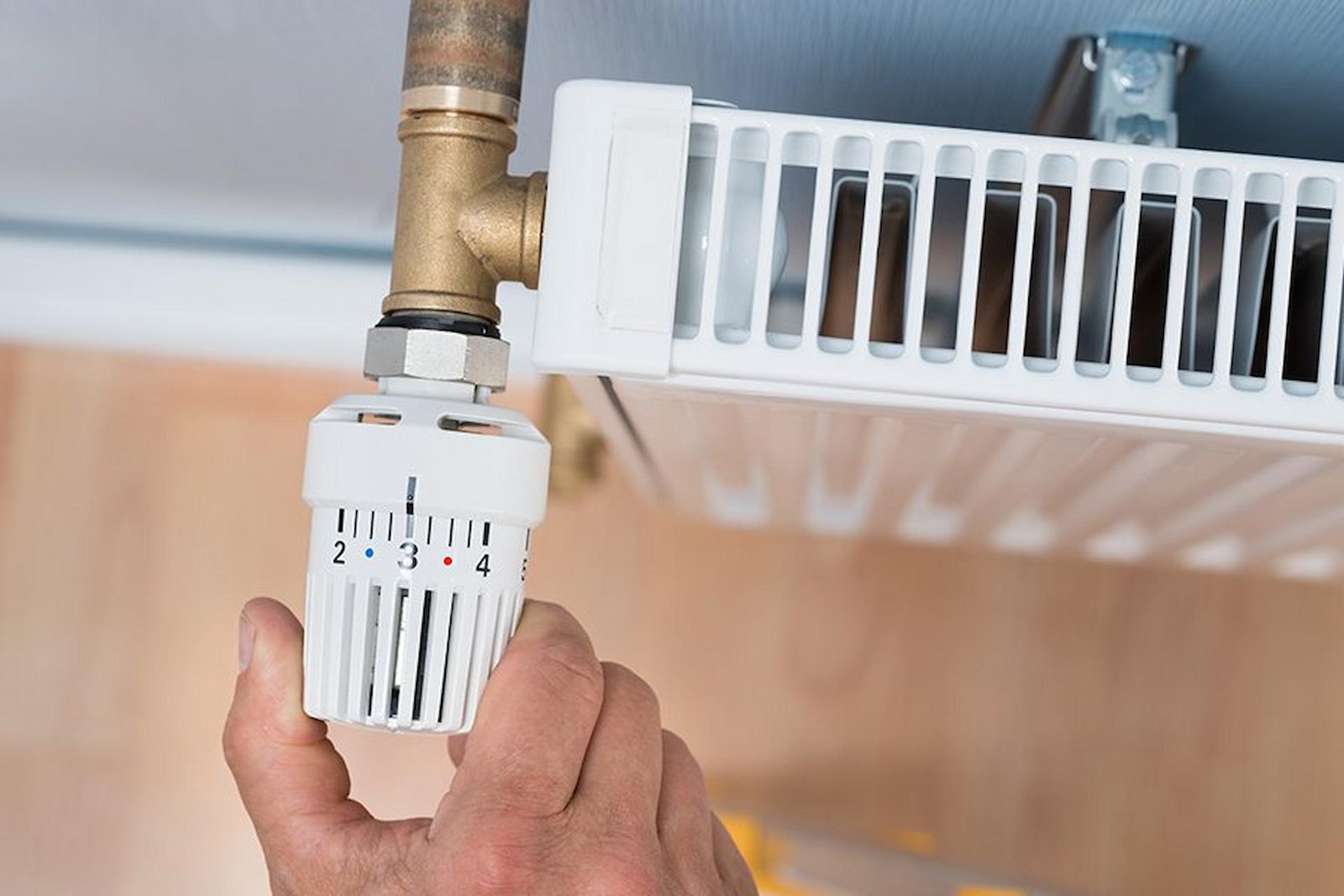
A well-functioning radiator system is central to maintaining a comfortable and energy-efficient home. Yet, while most homeowners focus on boiler performance or thermostat settings, the condition of the internal heating system often goes unnoticed. One of the most critical factors in preserving this system is the use of inhibitor fluid a simple yet highly effective solution designed to prevent corrosion and prolong the life of your radiators.
Modern heating systems are more advanced than ever, particularly with the growing shift towards sustainable heating solutions. Many homeowners are now exploring resources such as How do low temperature radiators reduce carbon to understand how their systems can become more efficient and environmentally friendly. However, even the most efficient radiator system can suffer if internal corrosion is left unchecked.
What Is Inhibitor Fluid?
Inhibitor fluid is a specially formulated chemical added to central heating systems to protect metal components from corrosion, limescale, and sludge build-up. Over time, water circulating within radiators can react with metal surfaces, leading to rust and debris accumulation. This process gradually reduces efficiency and can cause serious damage if not addressed.
By introducing inhibitor fluid into the system, these chemical reactions are slowed or prevented entirely. The fluid creates a protective barrier inside pipes and radiators, ensuring that the system continues to operate smoothly and efficiently.
Why Corrosion Is a Serious Concern
Corrosion is not just a minor inconvenience. It can significantly impact the performance and longevity of your heating system. As rust and sludge build up, they restrict water flow, making it harder for radiators to heat evenly. This often results in cold spots, increased energy consumption, and higher heating bills.
In more severe cases, corrosion can lead to leaks or complete system failure. Repairing or replacing damaged components can be costly, especially if the issue has been left unresolved for a long period. Preventative measures, such as using inhibitor fluid, are therefore essential in avoiding these problems.
How Inhibitor Fluid Works
Inhibitor fluid operates by altering the chemical environment within the heating system. It neutralises corrosive elements in the water and prevents oxygen from reacting with metal surfaces. This dual action not only protects radiators but also safeguards other components such as the boiler and pipework.
The effectiveness of inhibitor fluid depends on proper application and maintenance. It is typically added during installation, servicing, or after a system flush. Over time, its protective properties can diminish, which is why regular checks and top-ups are recommended.
Key Benefits of Using Inhibitor Fluid
The advantages of incorporating inhibitor fluid into your heating system are both immediate and long-term. These include:
- Extended system lifespan: By preventing corrosion, inhibitor fluid helps maintain the integrity of radiators and pipes.
- Improved efficiency: Clean internal surfaces allow water to circulate freely, ensuring consistent heat distribution.
- Reduced energy costs: A more efficient system requires less energy to achieve the desired temperature.
- Lower maintenance risks: Preventing sludge build-up reduces the likelihood of blockages and breakdowns.
- Protection for all components: Inhibitor fluid safeguards not just radiators but also boilers and valves.
These benefits make inhibitor fluid a practical investment for any homeowner looking to protect their heating system.
When Should You Use Inhibitor Fluid?
Timing plays an important role in ensuring maximum protection. Inhibitor fluid should be added in several key situations:
- During the installation of a new heating system
- After flushing an existing system
- As part of routine boiler servicing
- When replacing individual radiators or components
Regular maintenance checks are essential to ensure that the inhibitor concentration remains effective. Heating engineers can test the fluid levels and recommend top-ups where necessary.
Signs Your System May Need Attention
Even with inhibitor fluid in place, it is important to recognise early warning signs of potential issues. These may include:
- Radiators taking longer to heat up
- Uneven heating or cold spots
- Discoloured water when bleeding radiators
- Unusual noises from the system
- Increased energy bills without clear explanation
If any of these signs are present, it may indicate that corrosion or sludge has begun to develop. In such cases, a system flush followed by fresh inhibitor fluid is often recommended.
Supporting Energy Efficiency and Sustainability
As households increasingly focus on reducing their environmental impact, maintaining an efficient heating system becomes even more important. Corrosion and sludge not only damage components but also force systems to work harder, increasing energy consumption.
By keeping the system clean and protected, inhibitor fluid supports better heat transfer and overall efficiency. This aligns with broader efforts to adopt energy-saving technologies and reduce carbon emissions. A well-maintained system complements modern radiator designs and low-temperature heating solutions, helping homeowners achieve both comfort and sustainability.
Professional vs DIY Application
While inhibitor fluid can be added by homeowners, professional application is generally recommended for optimal results. Heating engineers have the tools and expertise to assess system condition, perform necessary flushing, and ensure the correct concentration of inhibitor is used.
DIY approaches may be suitable for simple top-ups, but more complex issues require professional attention. Incorrect application or insufficient fluid levels can limit effectiveness, reducing the overall benefits.
Conclusion
For homeowners seeking to improve both the reliability and sustainability of their heating systems, regular use of inhibitor fluid is a simple yet highly effective step. It not only preserves the internal condition of radiators and pipework but also supports consistent heating performance throughout the home. By preventing corrosion before it becomes a serious issue, it helps avoid unexpected breakdowns and costly repairs.
Ultimately, maintaining a clean and protected heating system is not just about comfort it is about long-term efficiency and peace of mind. With routine checks and proper application, inhibitor fluid remains one of the most practical ways to ensure your radiator system continues to operate at its best for years to come.